
Supply Chain Analytics – Unlocking Real-Time Intelligence for Smarter, Faster, and More Profitable Operations

The Shift from Reactive to Intelligent Supply Chains
Supply chains have become more complex than ever.
Global sourcing, fluctuating demand, transportation challenges, inventory pressures, and real-time customer expectations have created an environment where traditional supply chain management methods are no longer sufficient.
Businesses can no longer afford to operate reactively.
They need to anticipate disruptions, optimize performance continuously, and make decisions based on real-time data.
This is where Supply Chain Analytics becomes a critical capability.
Within ROOK Connect Software, Supply Chain Analytics is not just about reporting past performance. It is about transforming operational data into real-time intelligence that drives proactive decision-making, improves efficiency, and enhances overall supply chain performance.
What Is Supply Chain Analytics?
Supply Chain Analytics refers to the use of data, reporting tools, and advanced analytics to monitor, analyze, and optimize supply chain operations.
It enables organizations to:
- Track inventory levels and movement
- Monitor supplier and carrier performance
- Analyze logistics and transportation efficiency
- Forecast demand and supply requirements
- Identify bottlenecks and inefficiencies
- Improve decision-making through real-time insights
Within ROOK Connect, Supply Chain Analytics is fully integrated with:
- CRM systems for customer demand insights
- PRM systems for supplier and partner management
- ERP systems for inventory, procurement, and financial tracking
- BI tools for advanced analytics and reporting
This creates a unified data environment where every part of the supply chain is connected and visible.
The Challenge: Limited Visibility Across the Supply Chain
Many organizations struggle with fragmented data and limited visibility across their supply chains.
Common challenges include:
1. Data Silos
Information is stored across multiple systems, making it difficult to get a complete picture.
2. Delayed Reporting
Decisions are made based on outdated data rather than real-time insights.
3. Inefficient Inventory Management
Overstocking and stockouts occur due to lack of accurate forecasting.
4. Poor Supplier Visibility
Limited insight into supplier performance impacts reliability.
5. Reactive Decision-Making
Issues are addressed after they occur rather than prevented.
6. Lack of Predictive Capabilities
Organizations struggle to anticipate disruptions or demand changes.
These challenges lead to increased costs, delays, and reduced customer satisfaction.
The ROOK Connect Approach to Supply Chain Analytics
ROOK Connect Software addresses these challenges by embedding analytics directly into operational workflows.
Instead of relying on external reporting tools, analytics are integrated into the platform, ensuring that insights are always available in real time.
Key Principles of ROOK Connect Supply Chain Analytics
1. Real-Time Data Visibility
All supply chain data is updated and accessible instantly.
2. Integrated Data Ecosystem
CRM, PRM, ERP, and BI systems work together seamlessly.
3. Automation-Driven Insights
Analytics are generated automatically based on live data.
4. Predictive Intelligence
Machine learning models provide forecasts and risk analysis.
5. Scalable Infrastructure
The system supports growing supply chain complexity.
Core Components of Supply Chain Analytics in ROOK Connect
1. Real-Time Dashboards and Reporting
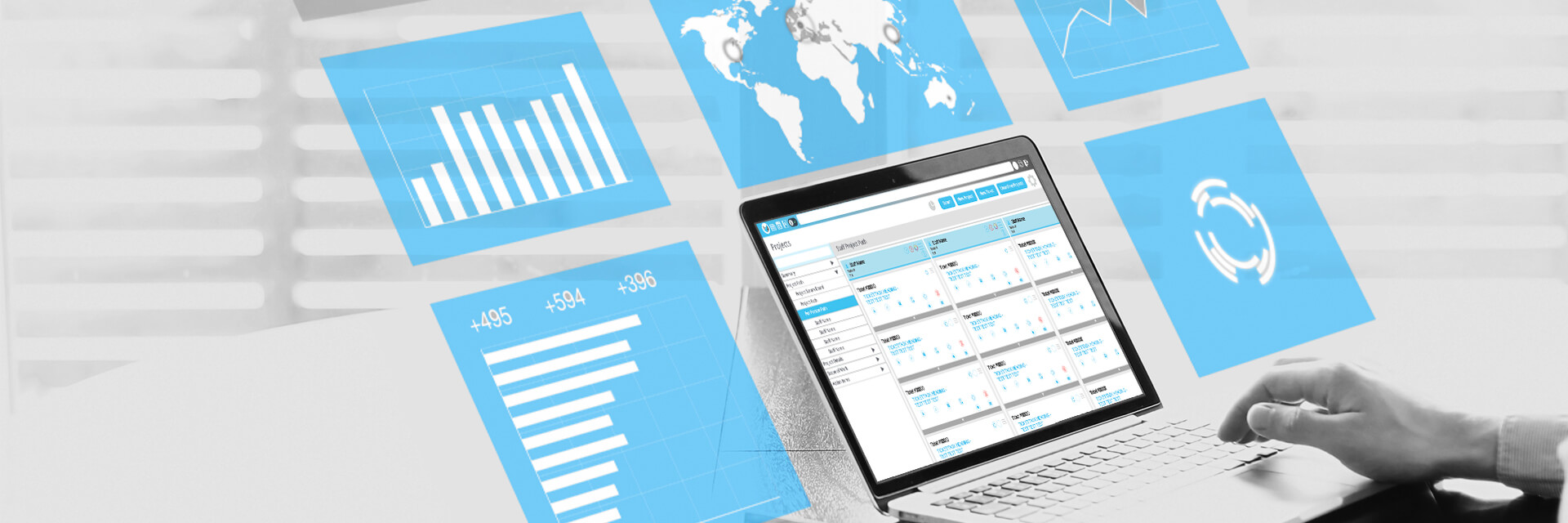
ROOK Connect provides dynamic dashboards that offer instant visibility into supply chain performance.
Key Metrics Include:
- Inventory levels and turnover
- Order fulfillment rates
- Transportation timelines
- Supplier performance metrics
- Cost analysis
These dashboards enable decision-makers to monitor operations continuously.
2. Inventory and Demand Forecasting
Accurate forecasting is essential for efficient supply chain management.
ROOK Connect uses analytics and machine learning to:
- Predict demand trends
- Optimize inventory levels
- Reduce excess stock
- Prevent stockouts
This ensures that businesses maintain the right balance between supply and demand.
3. Supplier and Vendor Performance Analysis
With PRM integration, organizations can evaluate supplier performance based on:
- Delivery timelines
- Quality metrics
- Cost efficiency
- Reliability
This enables better supplier selection and stronger partnerships.
4. Logistics and Transportation Optimization
Supply Chain Analytics provides insights into logistics performance.
Organizations can:
- Track shipments in real time
- Identify delays and bottlenecks
- Optimize routes and scheduling
- Reduce transportation costs
This improves delivery speed and efficiency.
5. Workflow Automation and Process Optimization
Analytics are closely tied to workflow automation within ROOK Connect.
Examples include:
- Automated alerts for delays or disruptions
- Workflow adjustments based on real-time data
- Dynamic resource allocation
- Continuous process improvement
This ensures that operations are always optimized.
6. Financial and Cost Analysis
ERP integration enables detailed financial tracking.
Organizations can analyze:
- Cost per shipment
- Inventory holding costs
- Supplier pricing trends
- Overall supply chain profitability
This supports better financial decision-making.
7. Predictive Analytics and Risk Management
One of the most powerful aspects of Supply Chain Analytics is predictive capability.
ROOK Connect enables organizations to:
- Identify potential disruptions
- Forecast demand fluctuations
- Assess risk across suppliers and logistics
- Plan proactively
This transforms supply chain management from reactive to strategic.
Industry Applications of Supply Chain Analytics
Logistics and Transportation
- Fleet tracking and optimization
- Route planning
- Carrier performance monitoring
Manufacturing
- Production planning
- Inventory optimization
- Supplier coordination
Retail and E-Commerce
- Demand forecasting
- Inventory management
- Order fulfillment optimization
Construction and Field Services
- Material tracking
- Equipment allocation
- Project supply coordination
Healthcare and Medical Supply
- Inventory tracking for critical supplies
- Supplier reliability monitoring
- Demand forecasting
The Strategic Value of Supply Chain Analytics
Implementing Supply Chain Analytics within ROOK Connect delivers significant benefits.
1. Improved Operational Efficiency
Real-time insights enable faster and more accurate decision-making.
2. Cost Reduction
Better forecasting and optimization reduce unnecessary expenses.
3. Enhanced Visibility
Organizations gain full transparency across the supply chain.
4. Increased Agility
Businesses can adapt quickly to changes and disruptions.
5. Scalable Growth
Analytics support expansion without losing control or efficiency.
Supply Chain Analytics vs Traditional Reporting
| Feature | Traditional Reporting | ROOK Connect Analytics |
|---|---|---|
| Data Availability | Delayed | Real-Time |
| Insights | Historical | Predictive |
| Integration | Limited | Fully Integrated |
| Decision Support | Reactive | Proactive |
| Scalability | Restricted | Enterprise-Level |
The difference is transformational.
Future-Proofing Supply Chain Operations
As supply chains continue to evolve, data will become even more critical.
Organizations that invest in advanced analytics will be better positioned to:
- Anticipate disruptions
- Optimize operations continuously
- Improve customer satisfaction
- Maintain competitive advantage
ROOK Connect’s Supply Chain Analytics is designed to support this future.
From Data to Decision Advantage
Supply chains are no longer just operational functions. They are strategic assets.
The ability to analyze, interpret, and act on data in real time is what separates high-performing organizations from the rest.
ROOK Connect’s Supply Chain Analytics transforms data into actionable intelligence.
It centralizes information.
It provides real-time visibility.
It enables predictive insights.
It optimizes workflows.
It drives smarter decisions.
For organizations ready to take control of their supply chain and operate with precision, the next step is clear.
Give Us A Call: 1.888.380.9439
Request A Demo: www.ROOKConnect.com/Request-A-Demo/
Software Wish List: www.ROOKConnect.com/ROOK-Connect-Software-Wish-List/
Visit Us Online: www.ROOKConnect.com
Essential Takeaways
What is Supply Chain Analytics?
Supply Chain Analytics uses data and reporting tools to monitor, analyze, and optimize supply chain operations.
Why is Supply Chain Analytics important?
It provides real-time insights, improves decision-making, and enhances operational efficiency.
How does ROOK Connect’s Supply Chain Analytics differ from traditional tools?
It integrates CRM, PRM, ERP, and BI systems, offering real-time visibility and predictive analytics.
What industries benefit from Supply Chain Analytics?
Logistics, manufacturing, retail, construction, and healthcare industries all benefit significantly.
How does analytics improve inventory management?
By forecasting demand and optimizing stock levels, reducing both overstock and shortages.
Can Supply Chain Analytics predict disruptions?
Yes, predictive analytics identify risks and enable proactive planning.
What is the main benefit of real-time data?
It allows organizations to make faster, more accurate decisions.
May 25, 2026 10:12 am | Category: ROOK Acronyms